Water is the essence of life, critical not only for human survival but also for the health and balance of entire ecosystems. Despite water covering about 71% of the Earth’s surface, only 3% is freshwater, and much of that is inaccessible. For arid regions like northern Kenya and West Pokot County, the scarcity of clean,
To boost productivity and transition from outdated farming practices, we actively support women in agriculture by equipping them with technology, irrigation systems, water access through drilling, and targeted training programs. These initiatives empower women to enhance their farming capacity, increase yields, and improve their incomes, fostering greater economic independence and resilience.Investing in women in agriculture
The Safe Space for Women and Girls Initiative delivers life-saving relief in emergencies and uses food assistance to foster peace, stability, and prosperity for communities recovering from conflict, disasters, and natural calamities like drought. While food aid remains a reliable model, we advocate for food assistance, which takes a more holistic approach by addressing the long-term nutritional
Kenya’s school-age children and adolescents, who make up 36% of the population, face a significant burden of malnutrition, including undernutrition and rising rates of food poisoning especially in dry areas. The World Health Organization advocates for sustainable food systems that prioritize healthy diets to combat these challenges, especially in developing nations like Kenya. National policies such as the Constitution
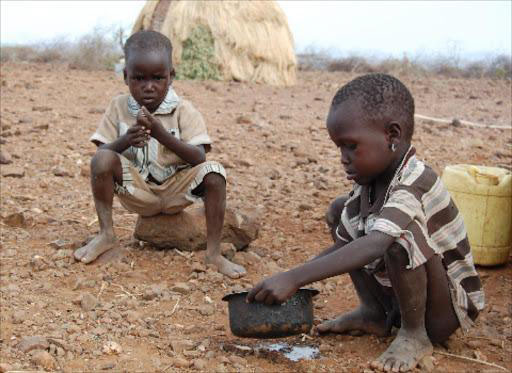

Introduction Malnutrition is a silent crisis in Kenya, affecting millions of children in rural communities. In West Pokot, where families struggle with poverty and food scarcity, malnutrition leads to stunted growth, weakened immunity, and poor academic performance. But through sustainable food programs and nutrition education, we are changing the narrative—one child at a time. The

Introduction In many parts of Kenya, women and girls face systemic barriers to education, economic independence, and leadership. In West Pokot, gender inequality is deeply rooted in cultural norms, leaving many women without the resources or opportunities to thrive. However, when women are empowered, entire communities prosper. Through skills training, microfinance, and mentorship, we are
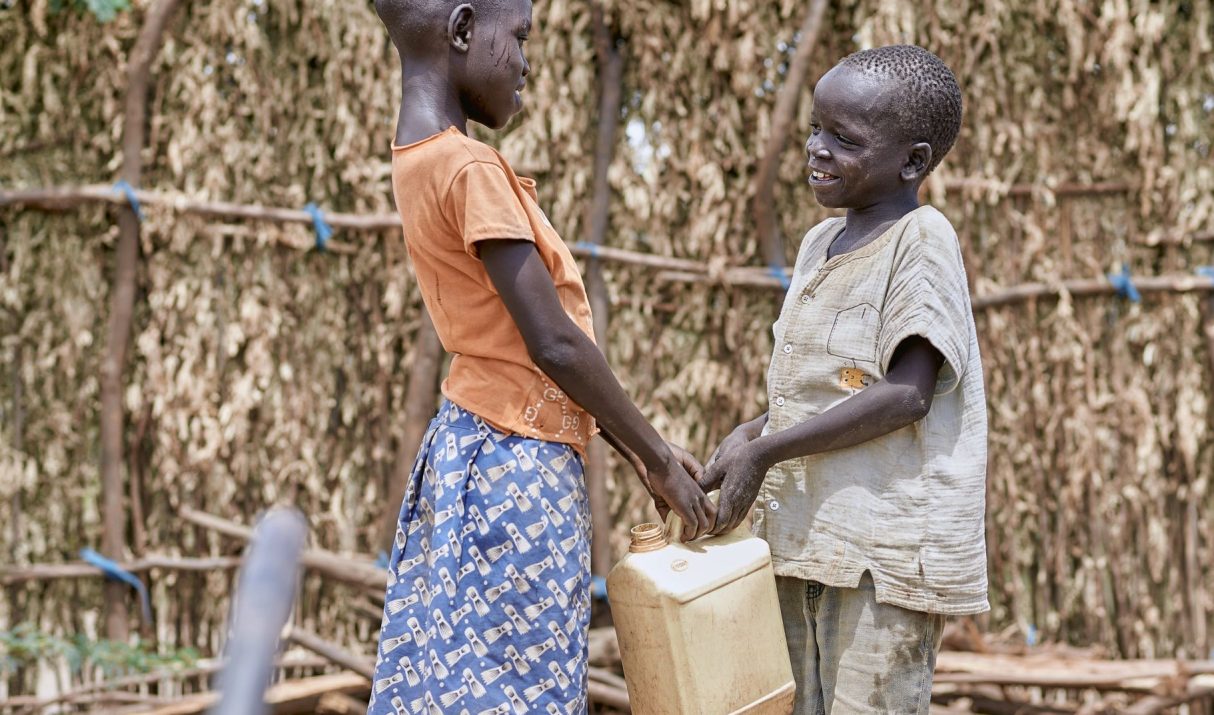
For many children in West Pokot, hunger is a daily reality. In drought-prone areas where food insecurity is high, children often go to school on empty stomachs or miss school entirely to help their families find food. Malnutrition not only affects physical growth but also hinders learning, concentration, and overall academic performance. A Lifeline Through

As of November 26, 2019, at least 52 lives were lost following major landslides that struck Tapach, Weiwei, and Batei Wards in West Pokot County. The disaster, which occurred on November 24, left behind a trail of destruction, displacing hundreds of families, destroying homes, and rendering entire villages uninhabitable. In the aftermath of this tragedy,

Access to healthcare remains a critical challenge in West Pokot, where many families lack the resources or proximity to medical facilities. Women and children, in particular, face barriers to essential health services, increasing the risk of preventable diseases, maternal complications, and poor reproductive health outcomes. To bridge this gap, our community health camps provide free