Kisumu County, located in Western Kenya along the shores of Lake Victoria, faces intersecting socio-economic and public health challenges that collectively hinder human development and inclusive growth. With a Human Development Index (HDI) of 0.52, equal to the national average, Kisumu continues to experience persistent inequalities in education, income, and health outcomes. Poverty remains pervasive, fueled by unemployment, limited access to quality education and healthcare, inadequate infrastructure, and low literacy levels—particularly among women and young people.
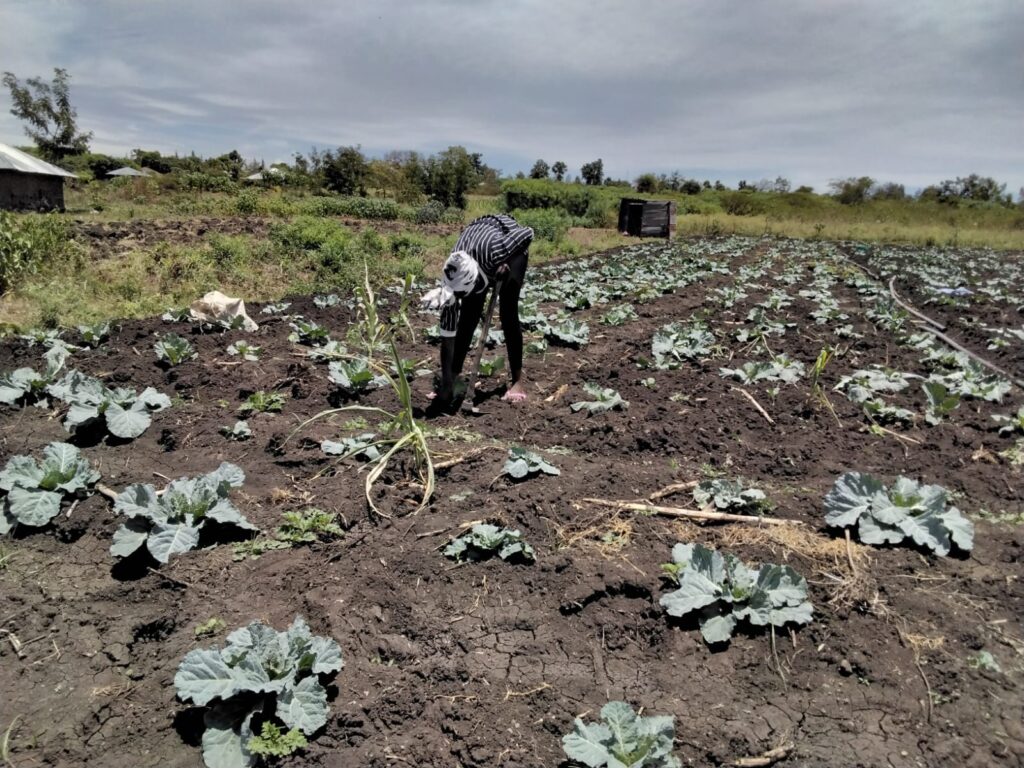
The county’s economy is characterized by subsistence agriculture, a declining fishing industry, and limited diversification in livelihood opportunities. These structural constraints restrict youth participation in productive employment and sustainable enterprise. As a result, Kisumu’s youth population—representing over 60 percent of residents—faces significant socio-economic marginalization, heightening vulnerability to crime, substance abuse, and early pregnancies.
Health indicators in Kisumu reveal systemic barriers to wellbeing. The HIV prevalence rate stands at 19.3 percent, nearly three times the national average of 6.4 percent, positioning Kisumu among the highest-burden counties in Kenya. The county also records high incidences of malaria, respiratory infections, and waterborne diseases due to environmental and infrastructural limitations. Despite high awareness of HIV testing and improved male circumcision rates, the persistent disease burden continues to undermine productivity, household resilience, and economic mobility—especially among women and youth.
Our Programs in Kisumu
Community Health Outreach
In Kenya, community health has long been the backbone of primary healthcare delivery. For decades, Community Health Workers (CHWs) have provided essential preventive and promotive care at the grassroots level—often as volunteers and without formal recognition. However, through sustained national advocacy and evidence-based dialogue, Kenya has institutionalized this workforce, transitioning CHWs into Community Health Promoters (CHPs)—a recognition that reflects a paradigm shift from reactive service delivery to proactive health promotion and community empowerment.
Building on this transformation, SSWGI Kisumu Chapter collaborates closely with CHPs as frontline partners in health outreach. We leverage their trusted relationships within the community to deliver interventions that enhance access to sexual and reproductive health (SRH) services, maternal, newborn, and child health (MNCH) care, and HIV prevention and management.
Our outreach model is guided by three principles:
Integration: Aligning community health promotion with other social and economic interventions to address health determinants holistically.
Capacity Strengthening: Training CHPs in gender-sensitive communication, referral mechanisms for GBV survivors, and community mobilization for preventive health.
Sustainability: Reinforcing existing public health structures rather than creating parallel systems, ensuring cost-effectiveness and local ownership.
Through this approach, we have established community dialogue forums, health awareness campaigns, and adolescent-friendly clinics, improving SRH knowledge and service uptake among youth and women. We also support CHPs with tools and incentives to enhance service delivery, including digital reporting, referral tracking, and continuous mentorship.
Our long-term vision is to build a resilient community health ecosystem—one where empowered CHPs serve as catalysts for behavioral change, disease prevention, and social accountability at the grassroots level.
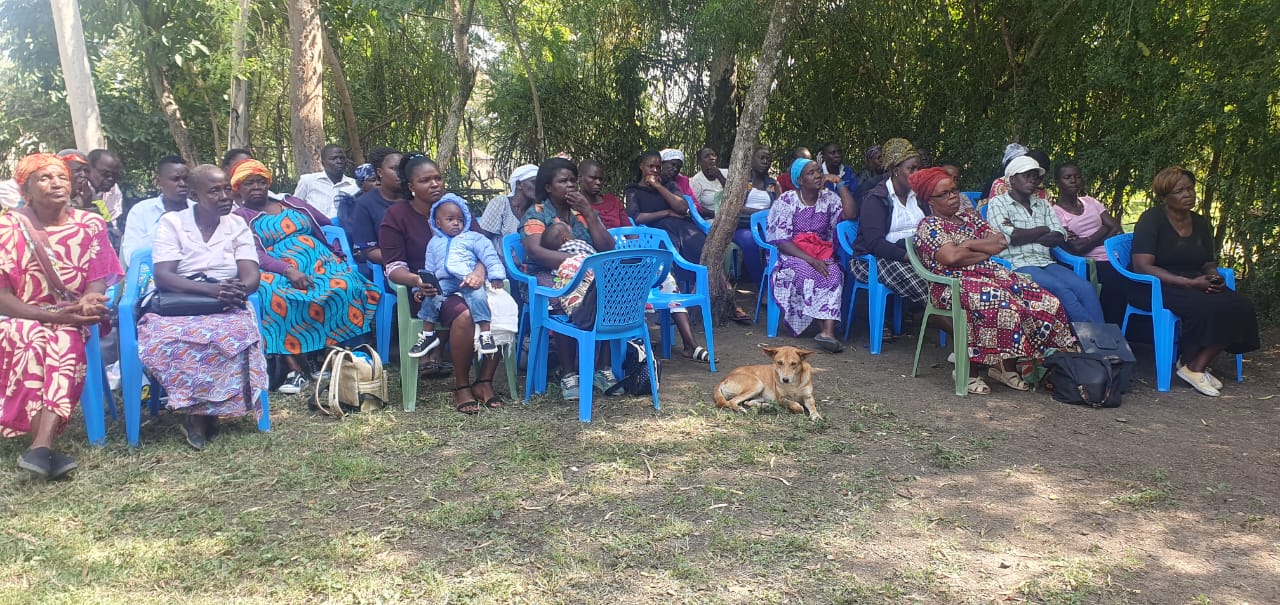
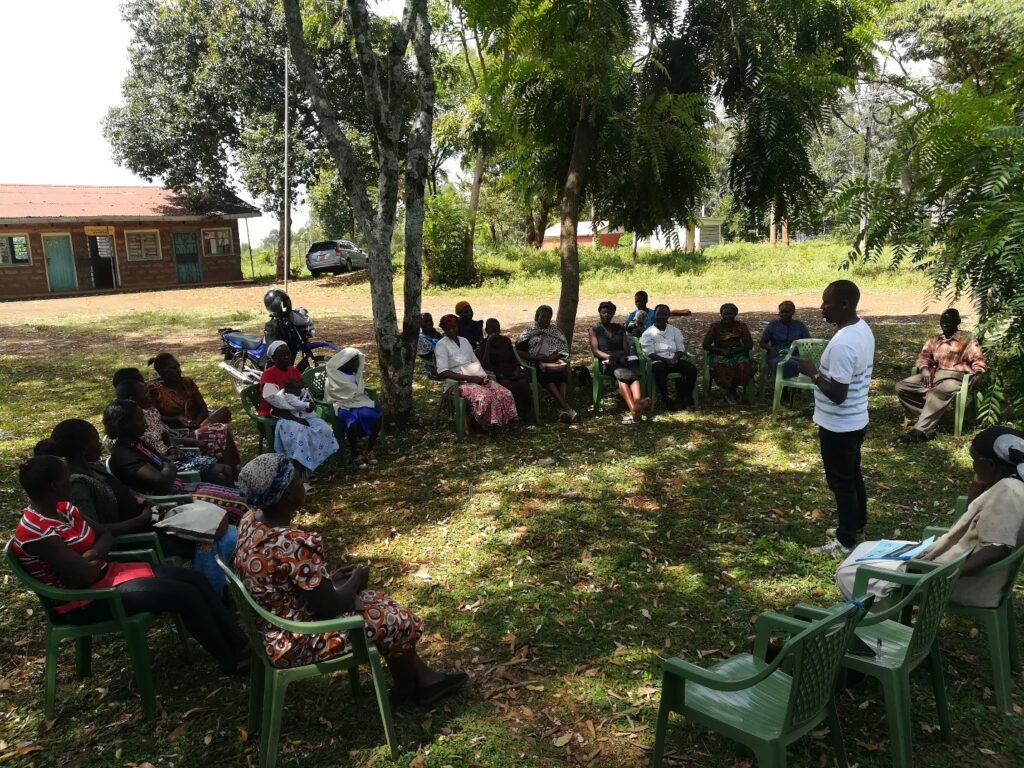
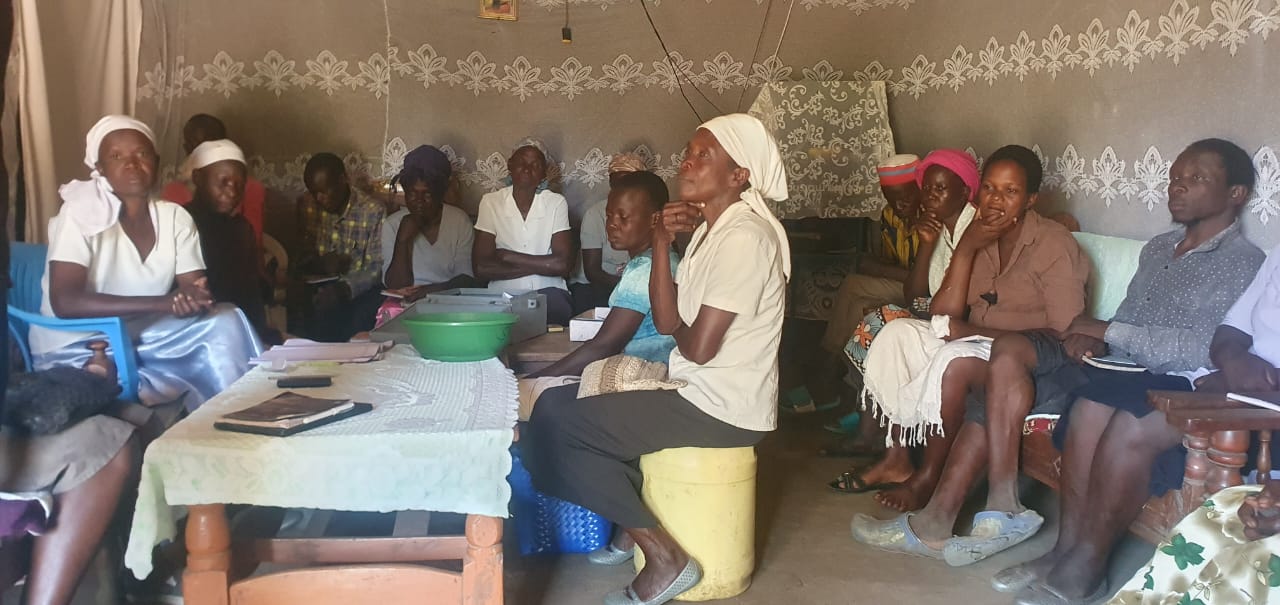
Community Health Outreach Meeting in Kano, Kisumu County
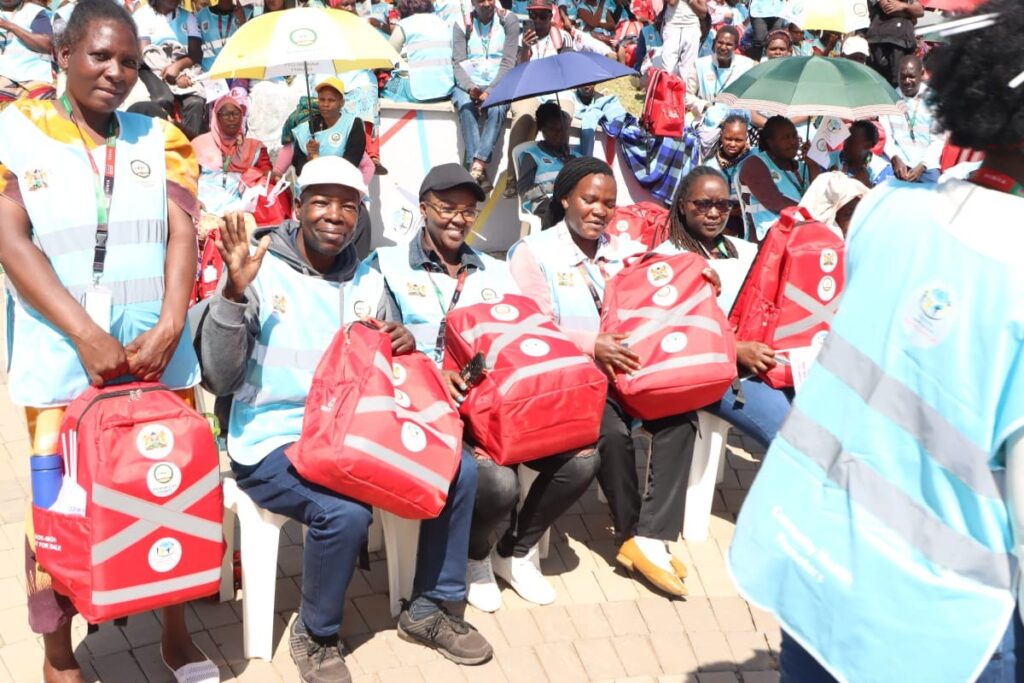
Empowering CHWs in Kisumu County
Empowered women create resilient futures
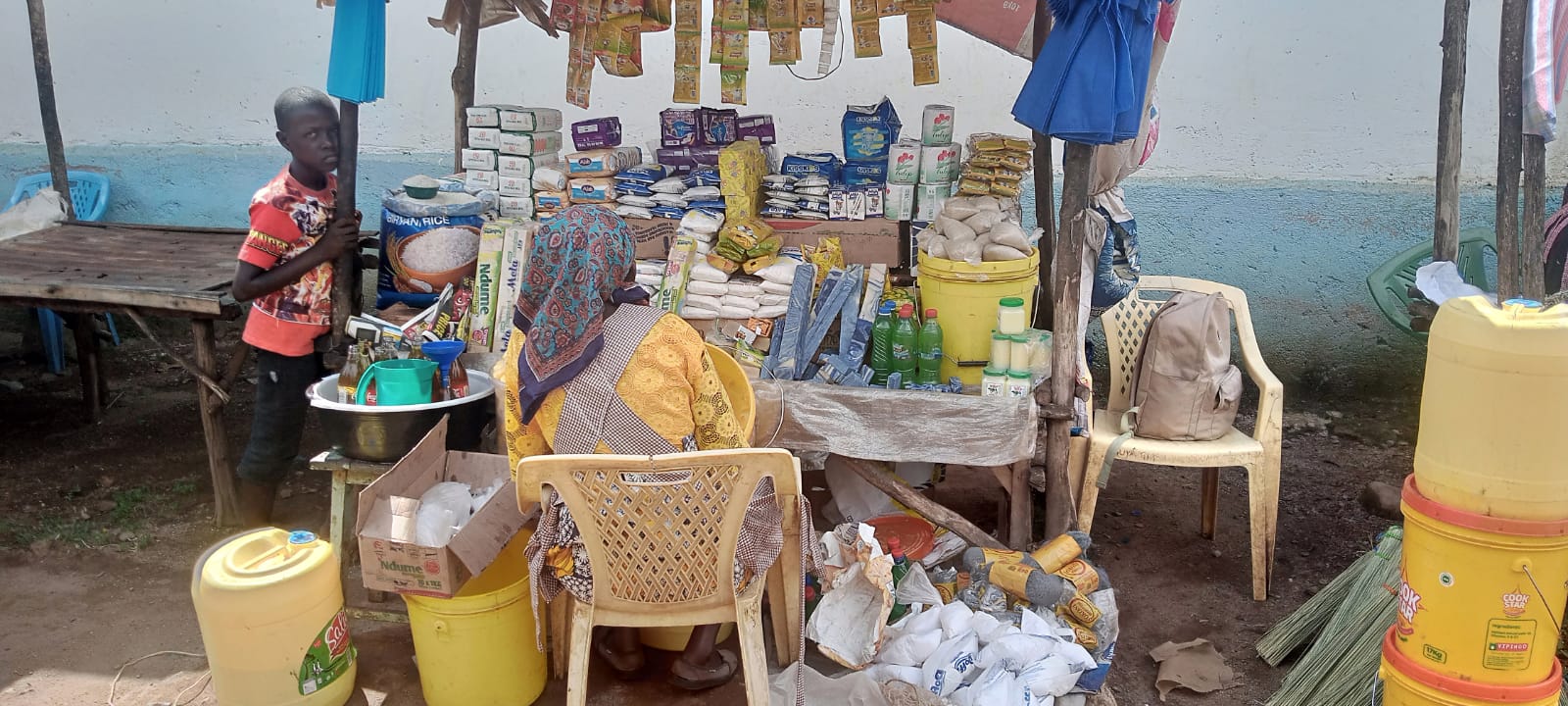
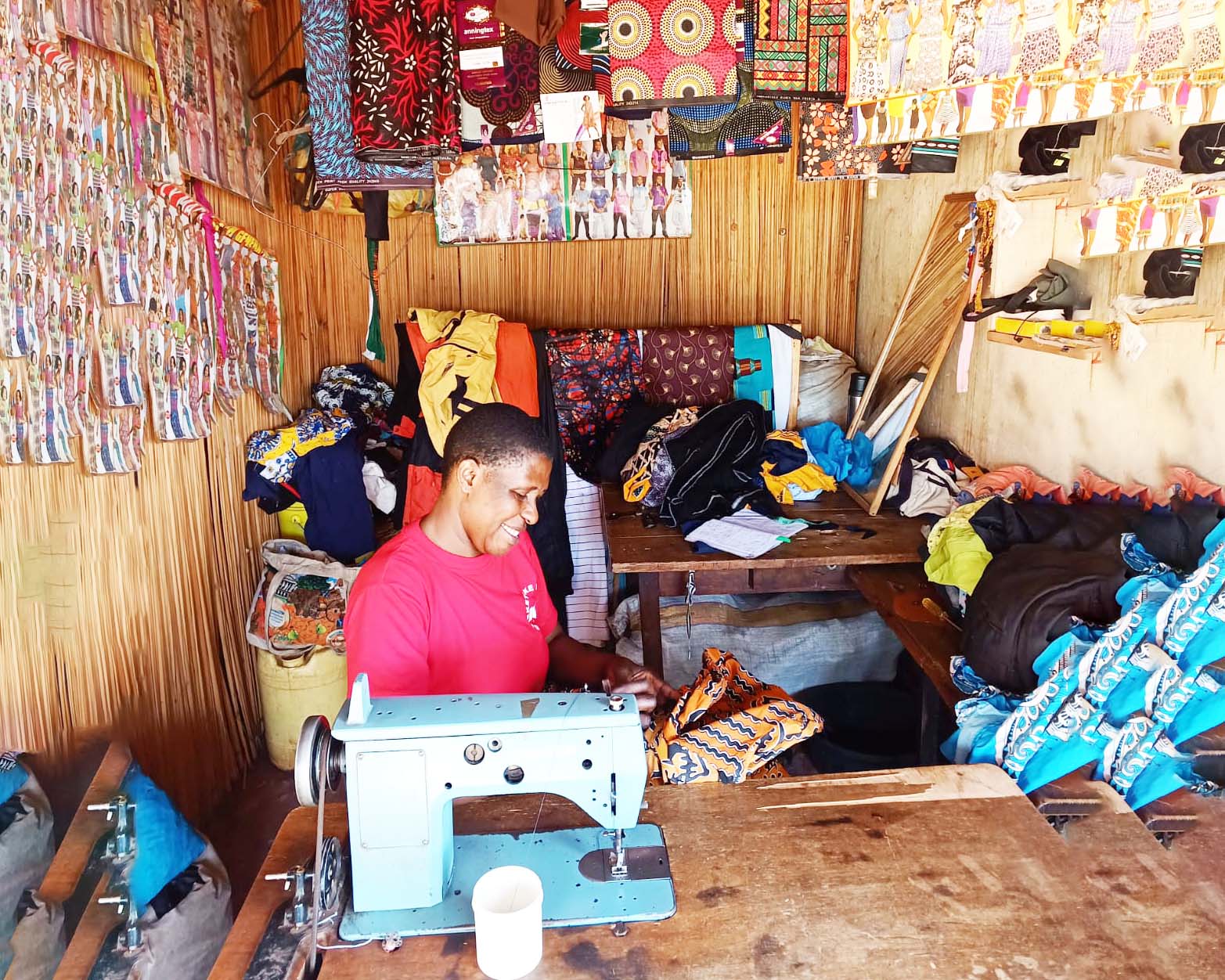
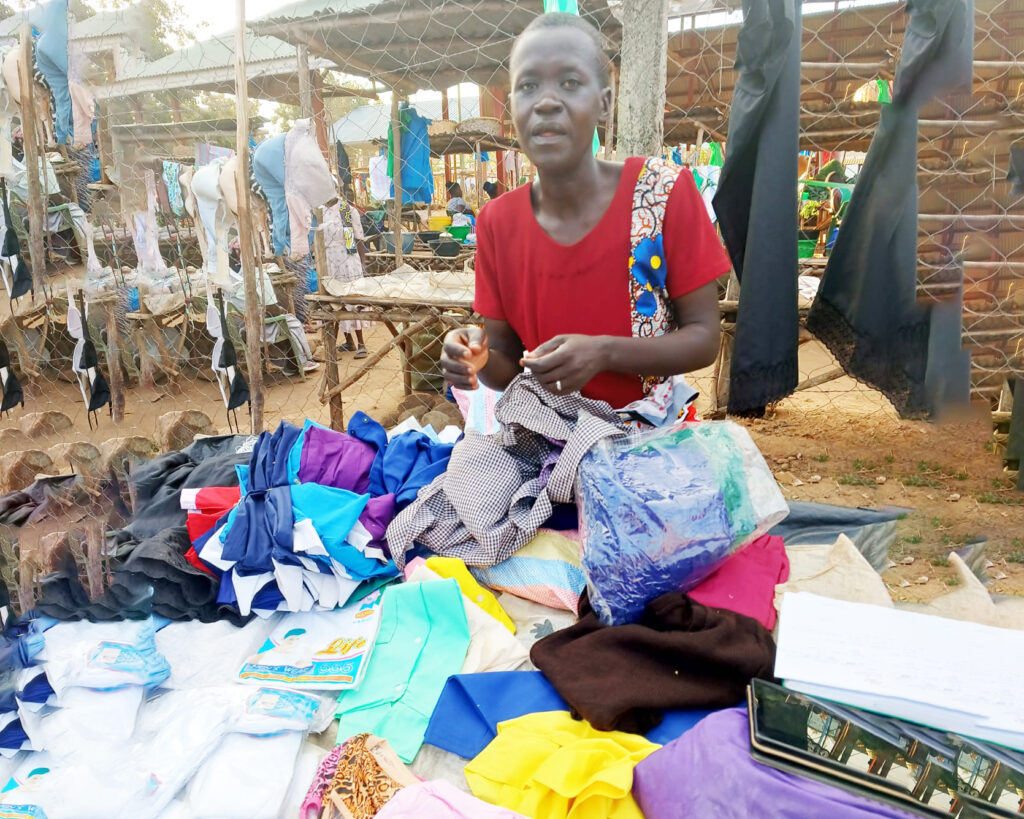
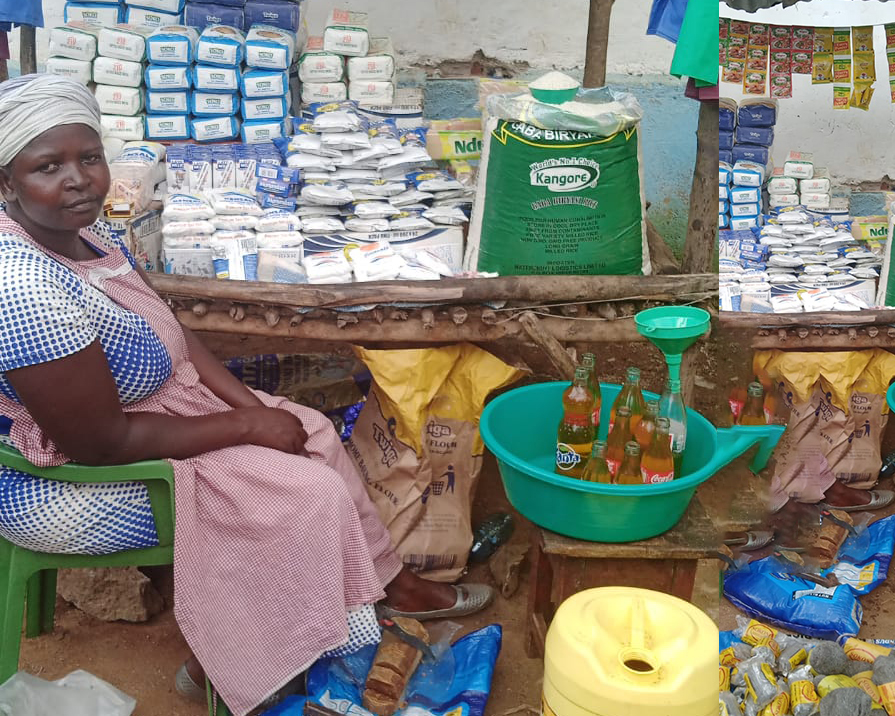
Small businesses. Big transformation
Women and Girls Empowerment
Kisumu’s demographic profile reveals a high proportion of out-of-school girls and unemployed young women facing limited access to economic opportunities. Many lack formal education, vocational skills, and access to credit, leaving them vulnerable to early marriage, transactional sex, and gender-based violence.
To address this, SSWGI Kisumu operates a Skills Development and Empowerment Center, which provides practical and market-relevant training to adolescent girls and young women. The center offers courses in:
Tailoring and dressmaking
Hairdressing and beauty therapy
Hospitality management
Computer literacy
Entrepreneurship and financial literacy
The empowerment program integrates life skills education, reproductive health awareness, and mentorship, fostering holistic personal development. Graduates are supported through linkages to local businesses, women’s savings groups, and micro-finance institutions to enable them to start or scale income-generating ventures.
By positioning economic empowerment as a pathway to agency and dignity, this program reduces vulnerability to GBV and expands the decision-making power of women and girls within their households and communities.
Safety, dignity, and justice for every survivor. GBV sensitization meeting
Breaking the silence. Restoring hope
Gender-Based Violence (GBV) Response and Referral Systems
Gender-Based Violence remains a pervasive challenge in Kisumu County, exacerbated by socio-economic inequality, cultural norms, and limited institutional support. Reports indicate that over 40 percent of women in the region experience physical or sexual violence in their lifetime. The COVID-19 pandemic further amplified these vulnerabilities, with spikes in intimate partner violence and child abuse cases.
The Safe Space for Women and Girls Initiative has established a comprehensive GBV response and referral system that integrates prevention, protection, and psychosocial support. Our approach is multi-sectoral and community-driven, involving:
Community awareness and sensitization: Working with CHPs, religious leaders, and youth groups to challenge harmful gender norms and promote rights-based practices.
Survivor-centered support: Offering confidential counseling, trauma healing, and linkage to health, legal, and shelter services.
Strengthening referral pathways: Partnering with county health facilities, law enforcement, and civil society actors to enhance response coordination.
Capacity building: Training community volunteers and service providers in survivor care, documentation, and ethical referral practices.
Our Safe Space centers serve as healing and empowerment hubs, where survivors receive not only support but also pathways to economic reintegration through vocational and psychosocial programs.